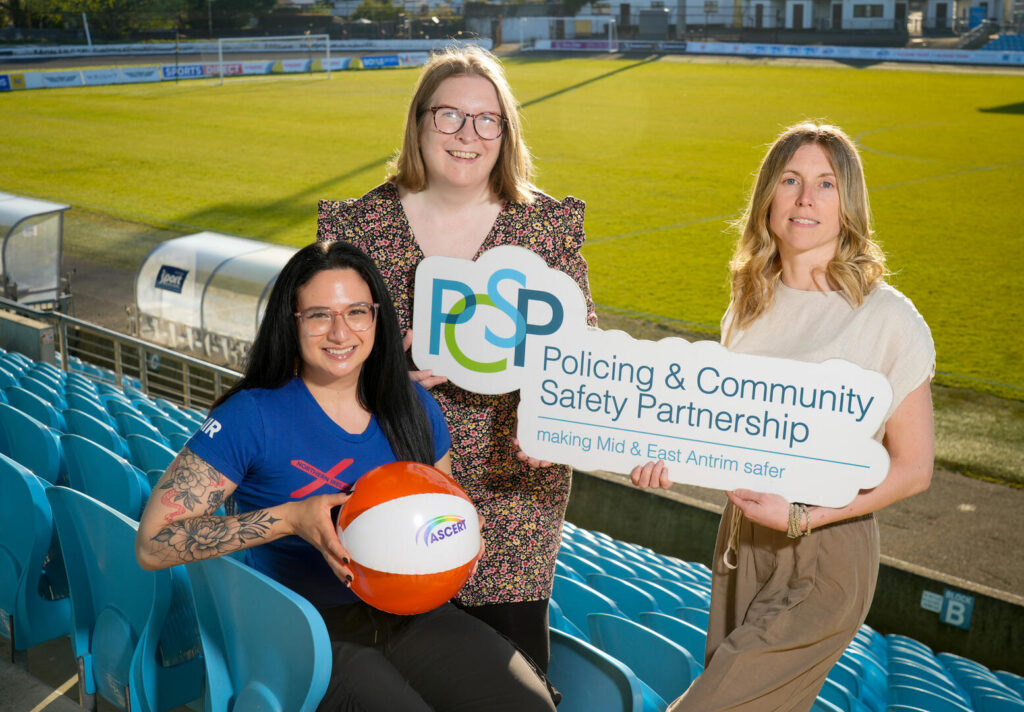
Pictured at the first SNUS Awareness training event at Ballymena Showgrounds are Chair of Mid and East Antrim Policing and Community Safety Partnership (MEA PCSP), Councillor Lauren Gray, alongside Elena Brewer, MPH Training Services Officer at ASCERT, and Chantal Ford, Irish Football Association Safeguarding and Welfare Manager.
Home » Blog » Mid and East Antrim PCSP seeks to SNUS it Out of Sport
Mid and East Antrim PCSP seeks to SNUS it Out of Sport
Hear this story, then continue listening to NIO Radio.
Ready to play.
Article audio is not available in this browser.
A new partnership between Mid and East Antrim Policing and Community Safety Partnership, Irish Football Association, and ASCERT is raising awareness of the risks linked to snus and nicotine pouches—particularly in football. Despite being illegal to sell in the UK, use is rising. Health experts warn of both short- and long-term risks, urging education and support over punishment.
Snus Use in Football Sparks Health Warning Across Mid and East Antrim
The growing use of snus and nicotine pouches—particularly within football—has prompted a joint awareness campaign across Mid and East Antrim.
The initiative, led by the Mid and East Antrim Policing and Community Safety Partnership (MEA PCSP), in collaboration with the Irish Football Association and ASCERT, aims to highlight the health risks, tackle common myths, and direct users towards support services.
What Is Snus and Why Is It a Concern?
Snus is a smokeless tobacco product, typically sold in small pouch-like sachets. Users place it between the upper lip and gum, allowing nicotine to be absorbed directly into the bloodstream.
Although often perceived as a “safer” alternative to smoking, experts warn this is misleading. Importantly, the sale of snus is illegal across the UK.
Its discreet nature—requiring no smoke or spitting—makes it particularly appealing in sporting environments, where it can be used during training or matches without immediate detection.
Rising Use in Football Settings
Concerns have been growing around increased use among football players, especially younger men.
MEA PCSP recently hosted an information and advice session aimed at:
Local football clubs
Coaches and players
Parents and community representatives
The session focused on recognising the real risks associated with snus and nicotine pouches, while encouraging open discussion and access to support.
Health Risks: Short-Term and Long-Term
According to ASCERT, the health effects of snus and nicotine pouches can be significant.
Short-term effects include:
Anxiety and irritability
Nausea and headaches
Poor sleep quality
Chest tightness
Increased heart rate and blood pressure
Long-term risks include:
Cardiovascular disease
Gum disease and oral health issues
Delayed wound healing
Nicotine addiction and withdrawal symptoms
Increased cancer risk (for tobacco-based products)
Nicotine use is also closely linked to mental health challenges. While some users turn to snus to cope with stress, it can actually worsen anxiety and disrupt sleep, creating a cycle of dependence.
Does Snus Improve Performance?
Some players believe snus can enhance focus, reduce stress, or improve performance. However, evidence remains inconclusive.
Experts suggest nicotine is just as likely to hinder performance as it is to help. In sport, additional concerns include:
Reduced recovery due to poor sleep and appetite
Increased anxiety or over-relaxation
Potential anti-doping violations due to unregulated products
A Shift Towards Education, Not Punishment
The campaign emphasises a supportive approach rather than strict bans.
Organisations warn that outright bans can drive usage underground, making it harder for players to seek help.
Instead, recommended strategies include:
Raising awareness of health risks
Challenging myths about widespread use
Teaching healthier coping mechanisms
Encouraging refusal skills among younger players
Promoting open conversations and help-seeking
Where to Get Support
Support services are available for those looking to quit or seek advice, including:
ASCERT
NIDACTS
Family Support NI
These organisations provide guidance, treatment pathways, and wider family support.
Community Safety Message
This initiative highlights that snus use is not just a sporting issue, but a broader community concern—particularly among young people.
By focusing on education, early intervention, and accessible support, organisers hope to reduce usage and improve long-term health outcomes across Mid and East Antrim.